
Canvas Fabric for Workwear and Uniforms: What Clothing Brands Need to Know
What to know about canvas fabric before ordering workwear or uniforms in bulk, covering GSM, fiber blends, and production checks.
Introduction
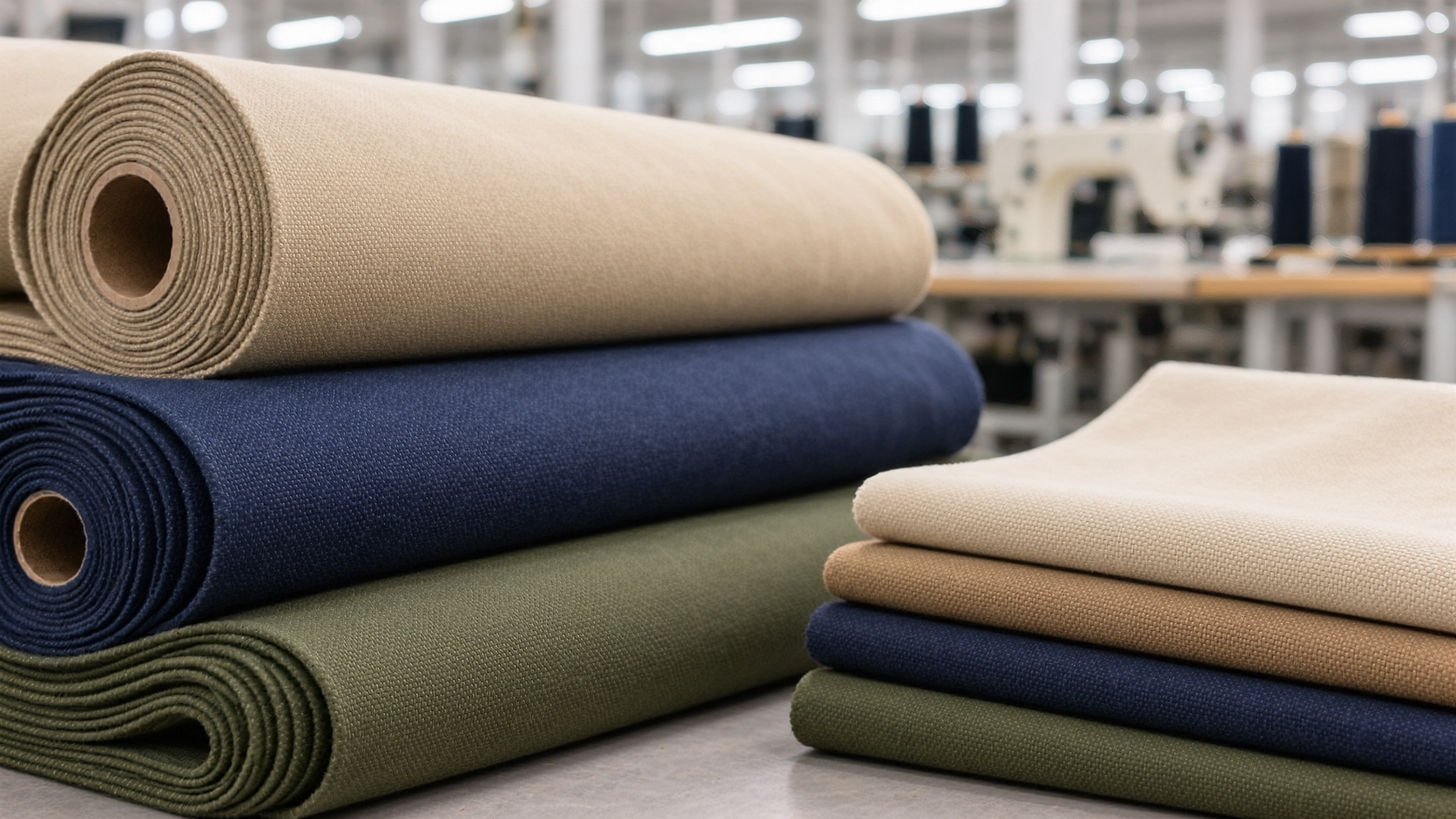
If you are building a workwear or uniform line, fabric choice makes or breaks the product. Canvas is one of the most common choices for structured, durable garments, but it covers a wide range of weights, blends, and finishes. Ordering the wrong version means garments that are either too stiff for daily wear or too light to survive the job. This guide covers what canvas fabric actually is, the weight ranges that work for different end uses, the fiber blends available, and what to verify before placing a bulk production order.
What Is Canvas Fabric
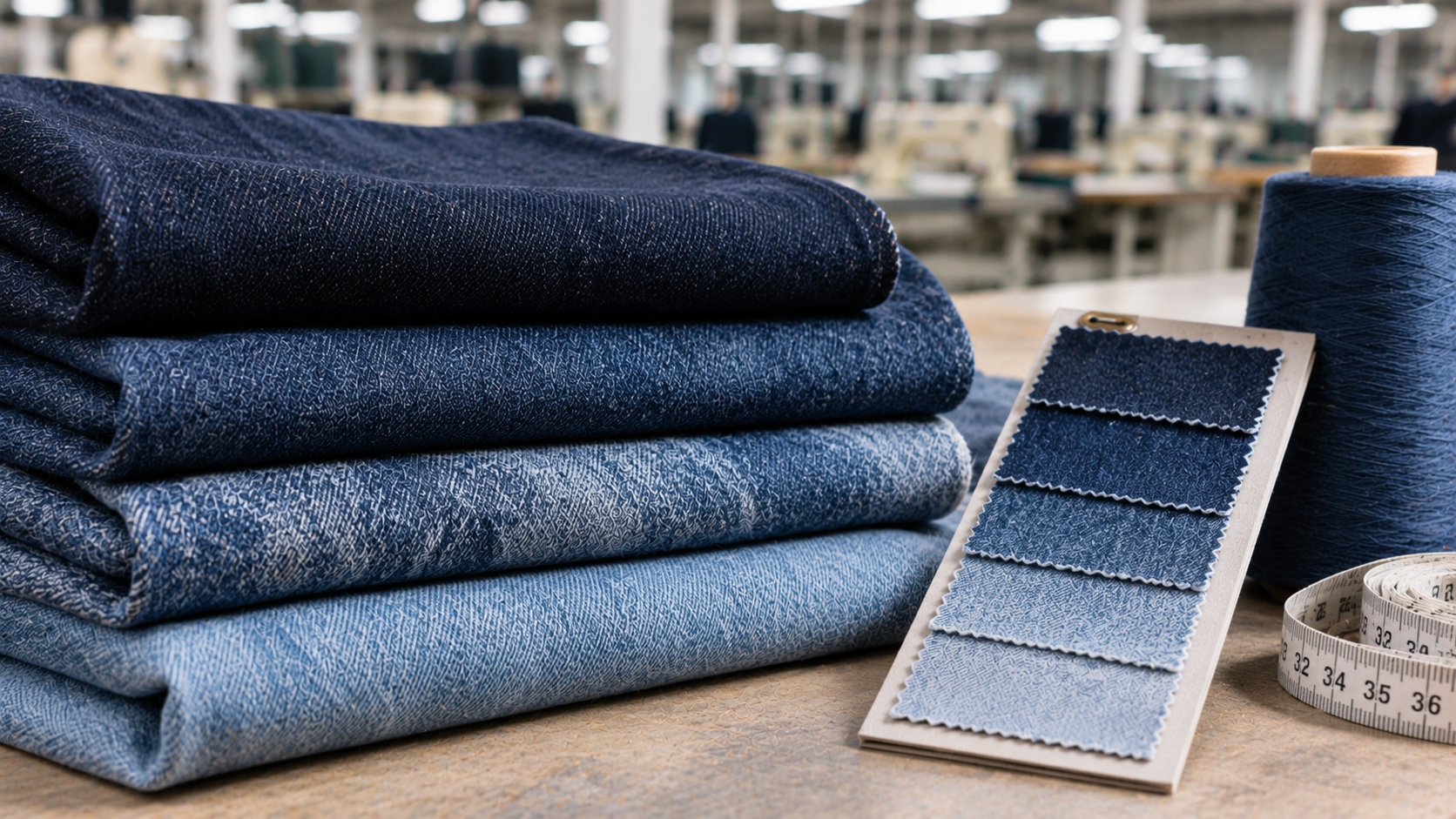
Canvas is a plain-woven fabric made with a simple over-under weave pattern that creates a tight, dense structure. That tight weave is what gives canvas its strength. It resists tearing, holds its shape, and takes a lot of physical stress without breaking down quickly.
Most canvas used in apparel falls between 200 and 450 GSM (roughly 6 to 13 oz per square yard). Below 200 GSM it starts to behave more like a heavy twill. Above 450 GSM it becomes difficult to cut and sew efficiently for garment production.
Canvas is not a single fabric. It is a category. What you get depends on fiber content, weight, and any finishes applied.
Canvas Weight Ranges and What They Are Used For
Choosing the right GSM depends on what the garment needs to do.
Lightweight canvas (200–270 GSM)
Used for summer uniforms, chef coats, light-duty service industry wear, and corporate workwear. Easier to sew and more comfortable in warm environments. Less durable under heavy mechanical stress.
Mid-weight canvas (270–350 GSM)
The most common range for general workwear. Used for cargo trousers, work shirts, overalls, and jackets in logistics, maintenance, and manufacturing. Balances durability with comfort across most climates.
Heavyweight canvas (350–450 GSM)
Used for construction jackets, aprons, industrial coveralls, and outdoor worker gear. Highest abrasion resistance. Harder to sew and heavier for the wearer. Usually reserved for roles with direct physical or environmental stress.
Duck canvas (450 GSM and above)
A specific type of canvas with an extremely tight weave. Used in specialized protective wear and heavy industrial applications. Not suitable for most standard garment production runs.
Fiber Blends in Canvas Fabric
100% cotton canvas
The traditional version. Breathable, comfortable, takes dye evenly, and works well with embroidery and screen printing. It shrinks more than blended fabrics and is heavier for the same GSM. Good for brands that prioritize natural materials or need reliable print results.
65% polyester / 35% cotton canvas
The most widely used blend for workwear production. Polyester adds wrinkle resistance, reduces shrinkage, and makes the fabric more dimensionally stable across washes. The 65/35 ratio is a standard in industrial uniform supply because it lowers maintenance requirements without sacrificing too much breathability.
60% cotton / 40% polyester canvas
A softer feel than the 65/35, slightly more breathable. Used when wearer comfort is prioritized alongside durability. Common for mid-weight corporate uniforms and service industry garments.
Cotton canvas with FR finish
Flame-retardant finishes are applied to cotton canvas for roles in welding, oil and gas, and electrical work. The base fabric is typically 100% cotton at 300 GSM or above. These are specialty orders and require specific certifications depending on the destination market.
What to Check Before Production
Confirm GSM in both units
Request the GSM figure and verify it against the oz-per-square-yard equivalent if your market uses imperial measurements. 300 GSM is roughly 8.8 oz. 350 GSM is roughly 10.3 oz. Small differences in measurement systems cause confusion in approvals.
Request a washed swatch before bulk
Canvas behaves differently after washing. Some cotton-heavy blends shrink 3 to 5 percent. Request a pre-washed swatch and confirm the weight, hand feel, and dimensions are what you expect before committing to bulk yardage.
Check the fiber ratio certificate
The stated blend and the actual blend can differ if the supplier is not transparent. For regulated industries or certifications, ask for a fiber composition test report from the mill, not just the spec sheet.
Verify colorfastness
Canvas used in workwear gets washed frequently. Ask for colorfastness ratings for wash, rubbing, and light exposure. For uniforms that need to maintain a consistent appearance across a fleet of workers, this matters.
Confirm sewing thread compatibility
Heavy canvas requires the right needle size and thread weight. If your production facility is not set up for heavy fabric, mid-weight canvas (270–350 GSM) is usually more practical and results in cleaner finishes.
Check shrinkage tolerance
Get the pre-wash and post-wash dimensions from the mill. Any shrinkage above 3 percent should be factored into your pattern sizing before cutting begins.
Where UMAAS Exports Fits In
UMAAS Exports supplies canvas fabric for workwear and uniform production in bulk, covering 100% cotton and poly-cotton blends across the standard weight ranges. If you need help matching GSM to your end use, selecting the right blend for your production setup, or requesting pre-bulk swatches, the team can guide you through the sourcing process before you commit to an order.
Ready to start production?
Tell us about your brand, product, and quantities. We will reply with samples, pricing, and timelines.