
Cotton Fabric for Clothing Brands: GSM, Grades, Ordering in Bulk
A practical guide to cotton fabric GSM, grades, and what to specify when ordering bulk clothing from a manufacturer in Pakistan like UMAAS Exports.
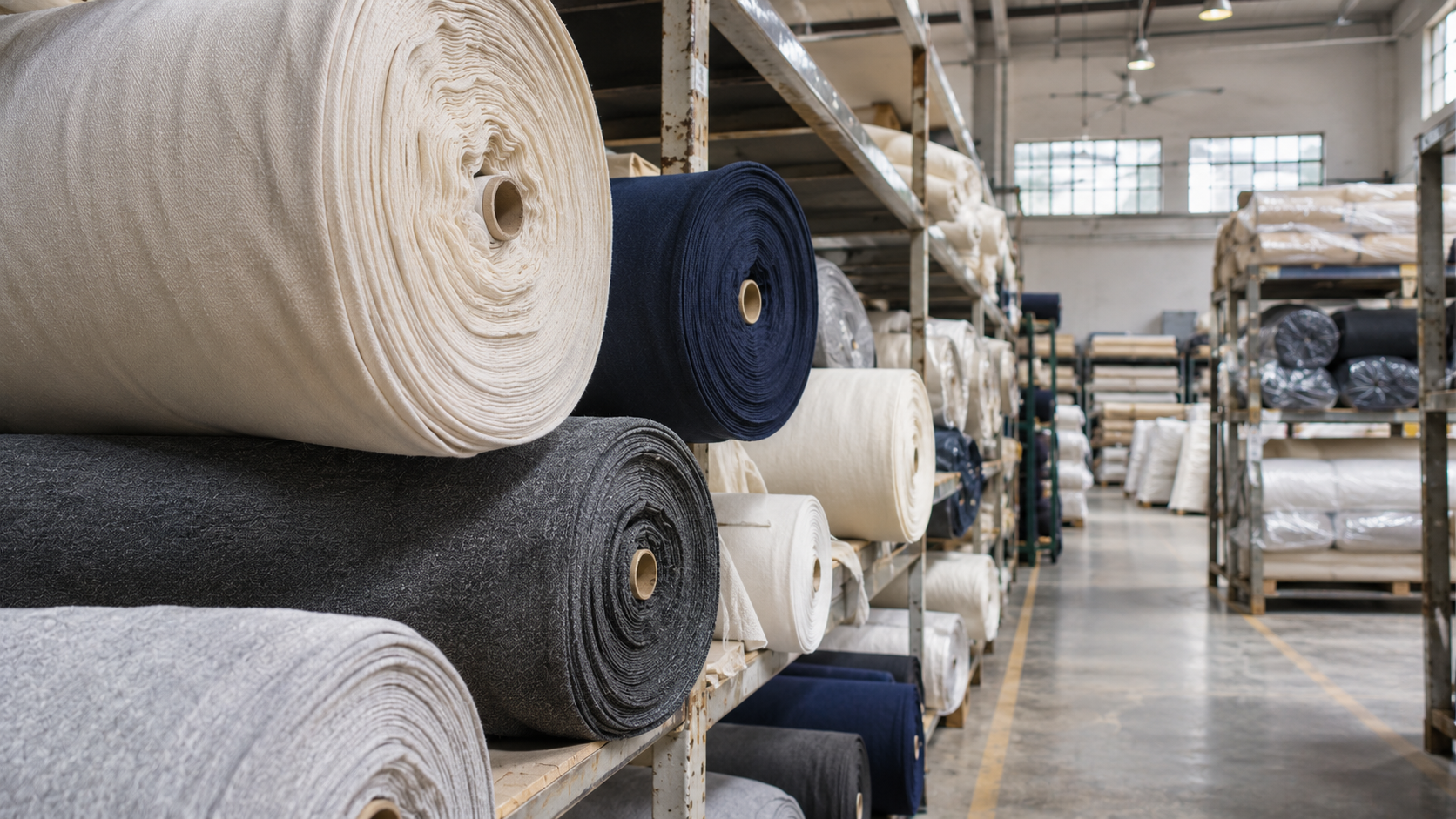
Why Cotton Is Still the Default Fabric for Most Clothing Brands
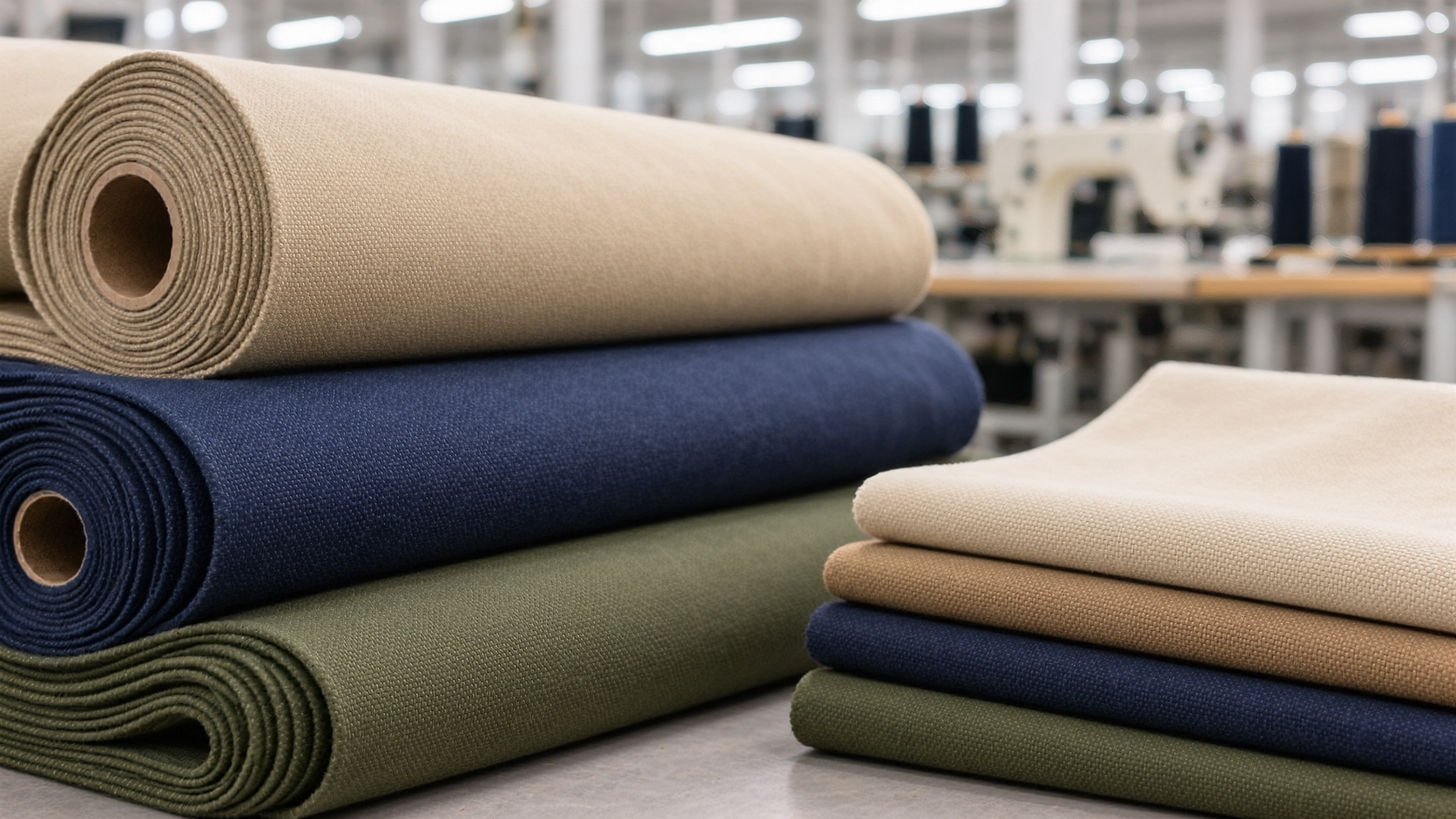
Cotton is the most widely ordered fabric in bulk clothing production. It works across a broad range of garments, holds dye well, is easy to print and embroider on, and is comfortable in most climates. For a new brand, it is usually the right starting point.
UMAAS Exports works with cotton fabric bulk order production across T-shirts, hoodies, tracksuits, polo shirts, and workwear. Cotton and cotton blends are the most common fabric choice across the product range.
Before you place an order, there are three things you need to specify: the GSM weight, the fabric construction, and whether you want 100% cotton or a blend. This article walks through each one.
- Cotton works across a wide garment range: tees, hoodies, polos, tracksuits, workwear
- Holds dye well and is compatible with screen printing, DTG, DTF, and embroidery
- Three things to specify: GSM weight, fabric construction, and cotton percentage
- UMAAS Exports produces in cotton and cotton blends across its full product range
Cotton is the default because it works. The spec details are what separate a good order from a problem one.
GSM Explained: What the Number Actually Means
GSM stands for grams per square metre. It is the standard way to measure how heavy or light a fabric is. A higher GSM means a heavier, thicker fabric. A lower GSM means lighter and more breathable.
For cotton GSM guide reference, here is how the ranges break down in practical terms:
140 to 160 GSM is lightweight. Used for summer T-shirts and inner layers. Thin feel, good breathability.
180 to 200 GSM is mid-weight. The most common range for standard T-shirts and polos. Holds its shape well without being heavy.
220 to 260 GSM is heavier. Used for structured tees, premium basics, and anything that needs more body.
280 to 320 GSM is fleece-weight cotton or heavyweight knit. Used for sweatshirts, heavyweight hoodies, and workwear where durability matters.
If you do not specify a GSM, the factory will use their standard. Always confirm GSM in writing before sampling begins.
Always specify GSM before sampling. If you do not, the factory uses their default and your order may come back lighter or heavier than expected.
Cotton Fabric Constructions You Will See in Production
GSM tells you the weight. The construction tells you how the fabric is made and how it will behave on the body. These are the main constructions used in bulk cotton fabric grades ordering.
- Single jersey. The most common knit for T-shirts. Lightweight, stretchy, smooth on one side and looped on the other. Used for 140 to 200 GSM tees.
- Double jersey (interlock). Thicker and more stable than single jersey. Smooth on both sides. Used for structured tees and polos where you want less stretch and more body.
- French terry. A loop-back knit with a smooth face and looped interior. Lighter than fleece. Common for sweatshirts, joggers, and mid-layer hoodies.
- Fleece-back cotton. A brushed interior that traps warmth. Heavier than French terry. Standard for hoodies and tracksuits ordered in autumn and winter weights.
- Pique. A textured weave with a raised pattern. Standard for polo shirts. More breathable than single jersey at the same GSM.
- Waffle knit. A grid-pattern texture used in thermal and loungewear garments. Less common in streetwear but used in layering pieces.
Specify the construction alongside the GSM. Single jersey at 200 GSM and pique at 200 GSM are very different garments.
100% Cotton vs Cotton Blends: Which to Order
Once you have the weight and construction, you need to decide on the cotton percentage. Bulk cotton clothing orders fall into two camps: 100% cotton or a blend, most commonly cotton-polyester.
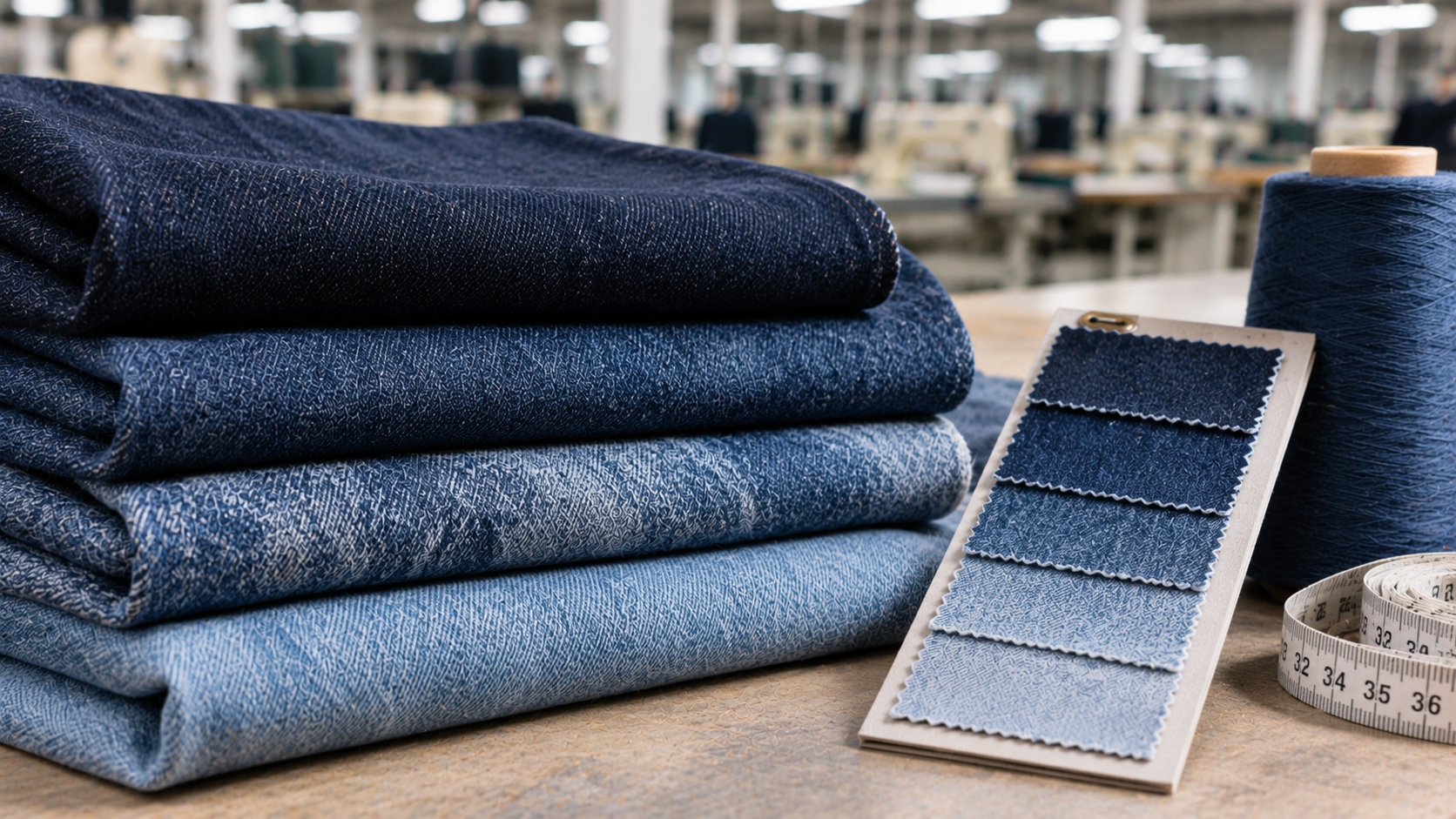
100% cotton breathes better and feels softer against the skin. It is preferred for premium basics, luxury casualwear, and anything where feel is part of the brand positioning. It is also easier to print on with water-based inks. The tradeoff is that it shrinks more and can lose shape faster without proper care.
Cotton-polyester blends, most commonly 65/35 or 50/50, add durability and reduce shrinkage. The polyester content makes the garment more resistant to wear and easier to care for. The tradeoff is a slightly less natural feel and reduced breathability compared to 100% cotton.
For most streetwear and casual brands starting out, a 100% cotton or 80/20 cotton-polyester blend hits the right balance of feel, durability, and cost.
- 100% cotton: softer feel, better breathability, easier water-based printing, more shrinkage
- 65/35 cotton-polyester: more durable, less shrinkage, slightly less breathable
- 80/20 cotton-polyester: a common middle-ground for casualwear and streetwear brands
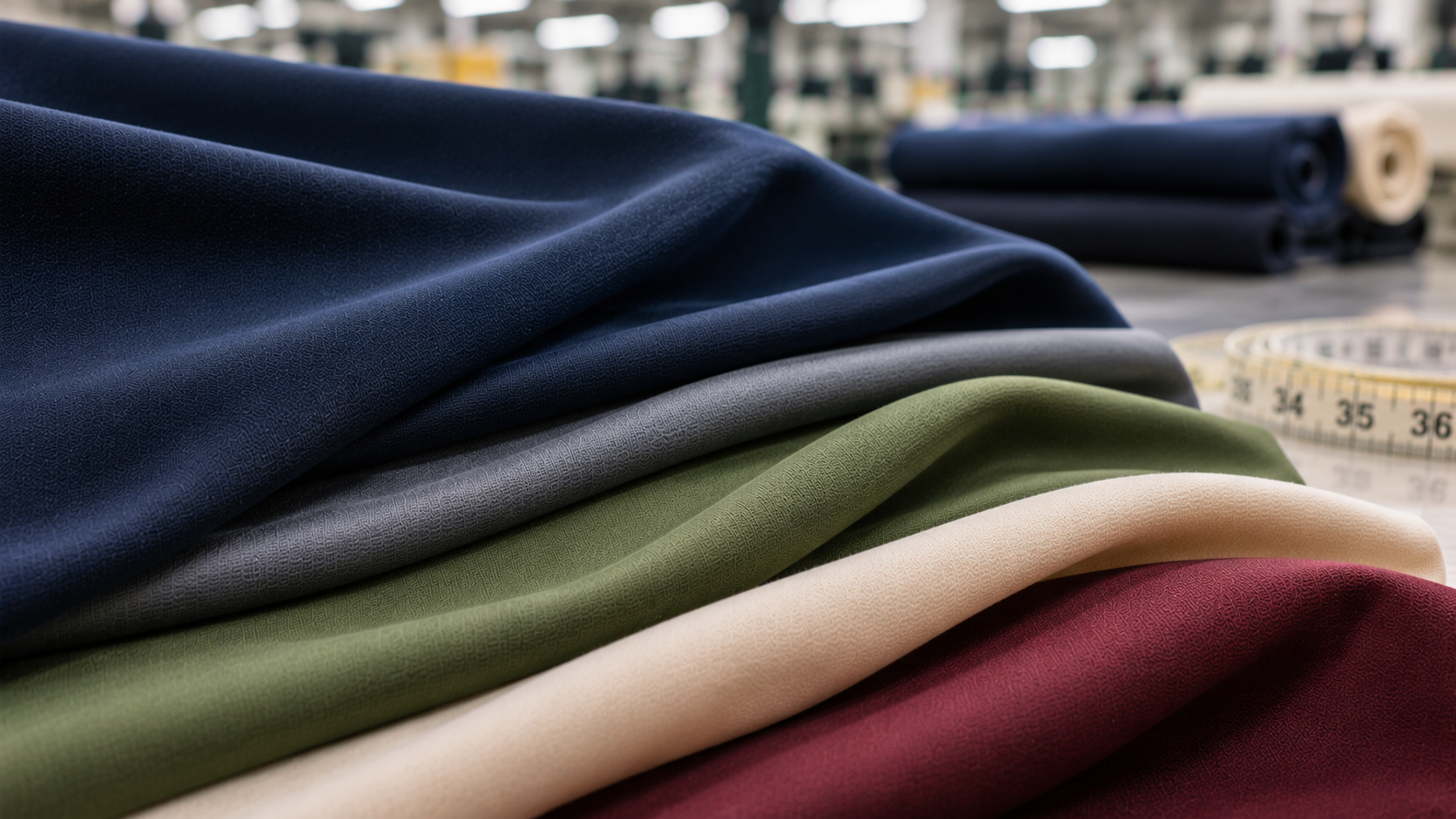
- Pantone colour matching is available at UMAAS Exports for all cotton and blend orders
Blends reduce shrinkage and add durability. 100% cotton wins on feel. Know which matters more for your customer before you specify.
What to Put in Your Brief When Ordering Cotton Garments
When you send your inquiry to a Pakistan clothing manufacturer like UMAAS Exports, the more clearly you specify the fabric, the more accurate your sample and quote will be. A vague brief leads to back-and-forth that adds time before bulk even starts.
For a custom cotton garments order, your fabric brief should include at minimum:
- GSM target. Give a number or a range, for example 220 to 240 GSM. Do not just say medium weight.
- Construction. Single jersey, French terry, fleece-back, pique, or other. This determines how the garment feels and behaves.
- Cotton percentage. 100% cotton, 80/20, 65/35, or another ratio. Include this even if you assume 100% is the default.
A complete fabric brief means the sample comes back right the first time. GSM, construction, and cotton percentage — all three in writing.
Ordering Cotton Garments Through UMAAS Exports
UMAAS Exports produces cotton hoodie manufacturer and full garment range orders in cotton and cotton blends from its factory in Lahore, Pakistan. Fabric sourcing is the first step in the production process, with materials selected and inspected before cutting begins.
Pantone colour matching is available so your garments come back in the exact shade you specified. Decoration work including screen printing, DTG, DTF, embroidery, sublimation, puff print, acid wash, and rhinestone is done in-house and chosen to suit the fabric type.
MOQ is 30 pieces per design with sizes mixed within that run. Lead time is 26 to 42 days from sample to dispatch. UMAAS has been exporting since 2018 to the UK, US, Canada, Germany, Spain, and the EU.
Send your fabric spec, garment details, and quantities through the contact form or WhatsApp to get sampling options and a quote.
MOQ 30 pieces per design. Pantone colour matching included. Exporting since 2018.
Ready to start production?
Tell us about your brand, product, and quantities. We will reply with samples, pricing, and timelines.