
Sublimation Printing for Sportswear and Uniforms: What Every Clothing Brand Should Know
A guide to sublimation printing for sportswear and uniforms — fabric requirements, cut-and-sew vs heat-press, color limits, and bulk production checks.
What Is Sublimation Printing and How Does It Work
Sublimation is a heat-based printing process. The design is first printed onto transfer paper using special dyes, then applied to the fabric under high heat and pressure. At that temperature, the dye turns from solid into gas and bonds directly into the polyester fiber structure. Once it cools, the dye is locked inside the fiber permanently.
Because the color becomes part of the fabric itself, there is no surface layer that can chip, crack, or wash off. The garment retains its original hand feel, breathability, and stretch. This makes sublimation printing for sportswear particularly well suited for performance applications where comfort and durability both matter.
The process is fully digital, so there are no screens to set up and no per-color charges. Complex gradients, photographic images, and detailed patterns all print at the same cost as a simple logo.
Fabric Requirements for Sublimation
Sublimation dye only bonds with polyester molecules. This is the most important thing to understand before ordering. On cotton or other natural fibers, the dye has nothing to bond to and will wash out quickly or not transfer properly at all.
For polyester sublimation fabric, the standard recommendation for sportswear is a minimum of 65% polyester content. For best results and the most vibrant color output, 100% polyester or high polyester-spandex blends are preferred. Common fabric constructions used in bulk sportswear production include:
- Polyester-spandex (85/15 or 92/8) for activewear and leggings
- 100% polyester mesh for football and basketball kits
- Moisture-wicking knits for running and training gear
Fabric weight for sublimated sportswear typically falls between 160 and 280 GSM depending on the application. Lightweight performance jerseys sit at the lower end of that range. Heavier structured uniform pieces sit higher. The fabric weight affects how the garment feels and performs, not how the print looks, as long as the polyester content meets the minimum threshold.
Base Color Limitations
Sublimation dye is transparent. It works by tinting the fabric, not by covering it. This means the process only works correctly on white or very light-colored base fabrics.
There is no white ink in all-over print sublimation. If you print onto a dark or colored fabric, the print colors mix with the base color and the final result looks dull or completely wrong. A design with a white background on dark fabric will not appear white. It will show the original fabric color underneath.
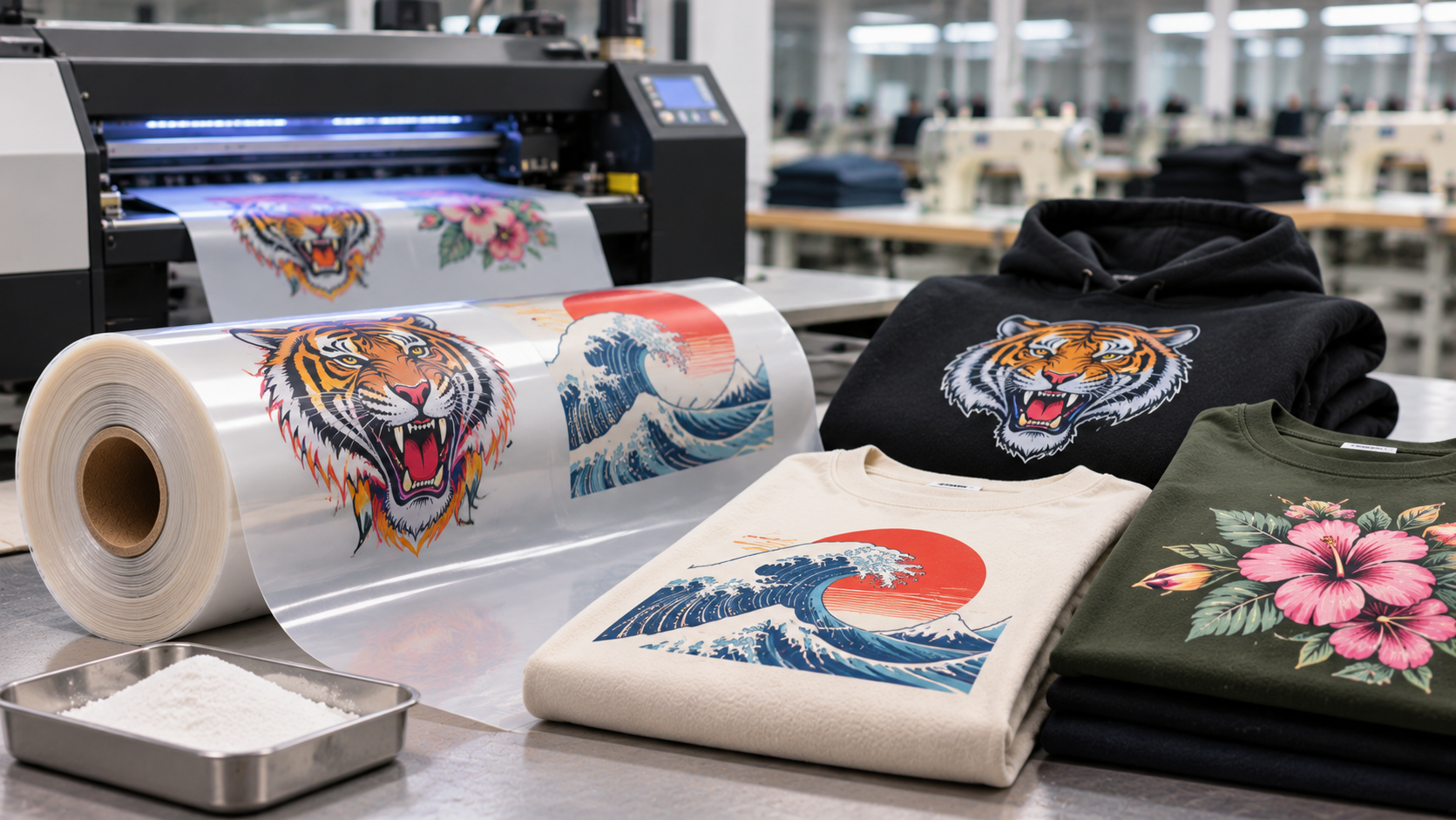
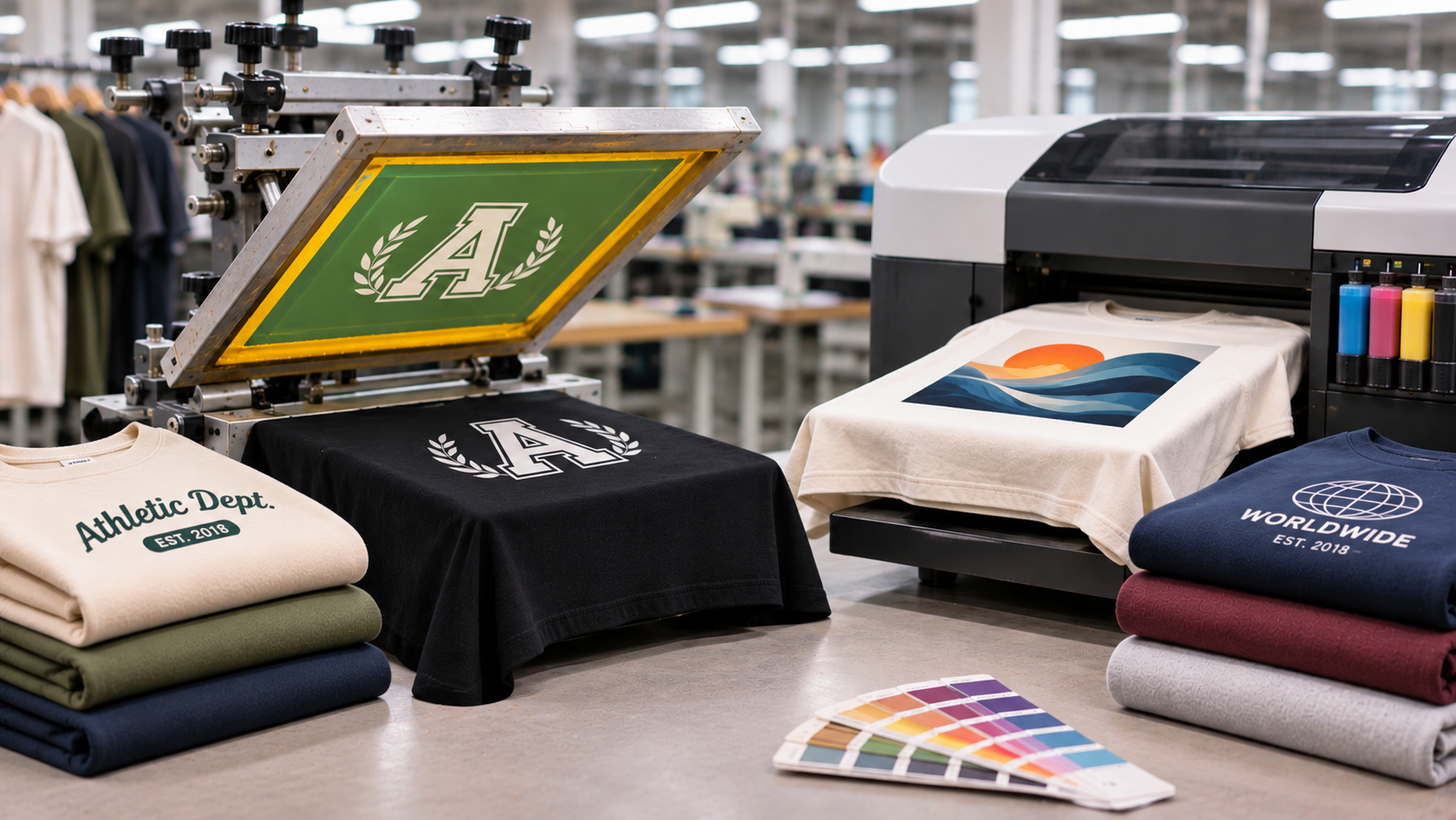
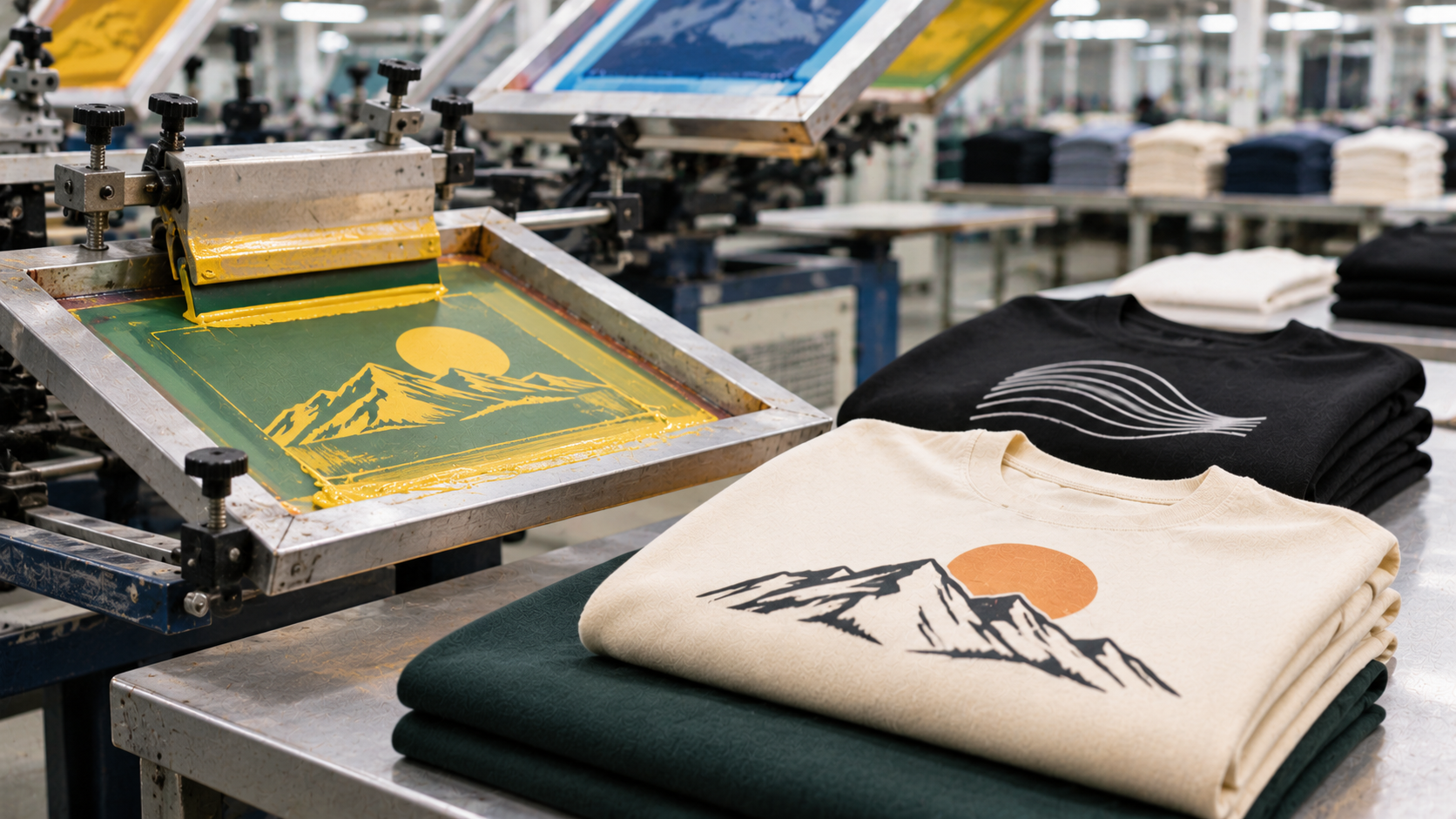
This is not a limitation of print quality. It is a fundamental characteristic of how the dye chemistry works. If your design requires dark base fabric, sublimation is not the right method. For dark garments, DTF printing or screen printing with plastisol inks are more appropriate options.
Cut-and-Sew vs Heat-Press Sublimation
There are two production workflows for applying sublimation to garments, and the difference between them significantly affects the quality of the final product.
Heat-press sublimation applies the printed transfer directly to a finished, pre-assembled garment. It is faster and cheaper, but it leaves unprinted white areas at the seams, underarms, and collar edges where the press cannot make full contact with the fabric. This is why budget sublimated garments often show white creases along the seams.
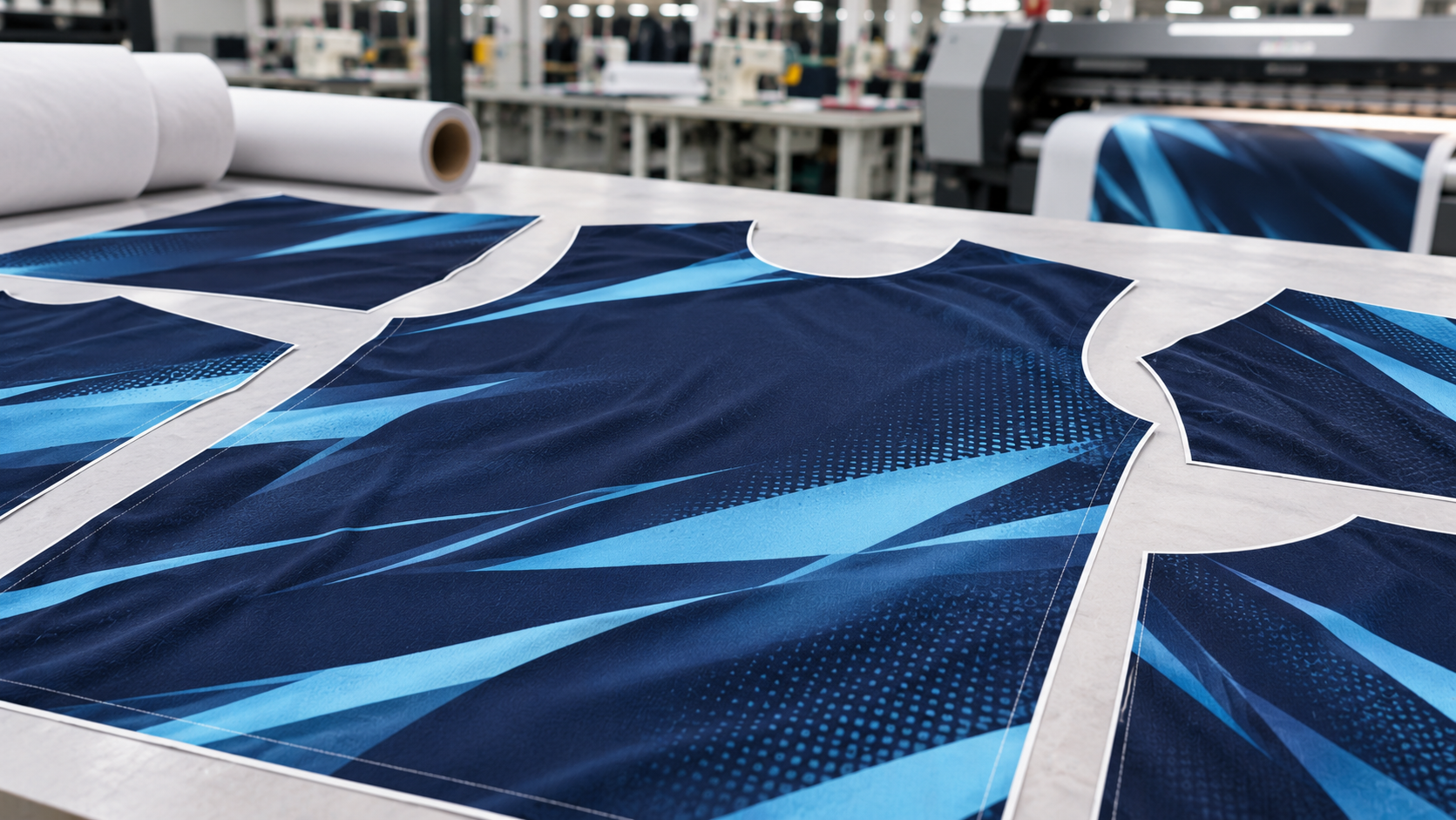
Cut-and-sew sublimation is the professional method used for high-quality sportswear and uniform production. The design is printed onto flat fabric panels before the garment is assembled. Each panel is then cut from the printed fabric and sewn together, so the design runs edge-to-edge across every seam, sleeve, and hem without any gaps. This is the correct workflow for sublimation uniforms and any garment where full coverage is part of the brief.
For bulk sportswear orders, cut-and-sew is the standard expectation. When evaluating a production partner, confirm explicitly that they use cut-and-sew, not post-assembly heat press.
Artwork and File Requirements
Artwork for sublimation printing bulk order production must be prepared correctly or the print quality will not hold up at large sizes. Requirements include:
- Files at 300 DPI at the final print size, in PNG or TIF format, or as vector files
- Artwork mapped across the garment pattern pieces for all-over cut-and-sew designs, not treated as a flat rectangle
- Design laid out so it lines up correctly across the seams once the panels are assembled
A reliable production partner will provide the cut-and-sew template for each garment style. Build your artwork within that template before submitting. If the design is delivered as a flat image without panel layout, the printed garment will have mismatched graphics across the seams.
Where UMAAS Exports Fits In
UMAAS Exports produces sublimated sportswear and uniforms for clothing brands and buyers placing bulk orders. The production workflow uses cut-and-sew sublimation on polyester and polyester-spandex fabrics, with garment-specific pattern templates provided for all-over print orders.
Pre-production samples are available before full bulk runs to confirm print color accuracy, garment fit, and fabric performance. Lead times for sublimation printing for sportswear orders run 3 to 8 weeks depending on order volume and design complexity, with minimum order quantities starting at 25 units per style.
For brands sourcing sublimated activewear, team kits, or corporate sport uniforms, UMAAS Exports handles the full production chain from fabric selection through finished garment delivery.
Ready to start production?
Tell us about your brand, product, and quantities. We will reply with samples, pricing, and timelines.